top of page

EMBO Keynote Lecture

Prof. Dr. Federica Sallusto
ETH Zurich and Università della Svizzera italiana
Professor Federica Sallusto is a renowned Italian-Swiss immunologist and professor of Medical Immunology at ETH Zurich and Università della Svizzera italiana. She leads the Cellular Immunology Laboratory and directs the Center of Medical Immunology at the Institute for Research in Biomedicine (IRB) in Bellinzona. Her pioneering research has significantly advanced our understanding of T cell differentiation, memory, and trafficking, including the identification of central and effector memory T cells, Th22 cells, and distinct Th17 subsets. Prof. Sallusto is a member of EMBO and the German Academy of Sciences Leopoldina, international member of the U.S. National Academy of Sciences. and past president of the European Federation of Immunological Societies (EFIS)”
Confirmed plenary speakers

Gerhard Krönke
Charité University Hospital Berlin
Gerhard Krönke is the chair and director of the Medical Department of Rheumatology and Clinical immunology at the Charité University Hospital Berlin. His research work focuses on the molecular mechanisms contributing to the development of immune mediated inflammatory diseases (IMIDs) such as rheumatoid arthritis and systemic lupus erythematosus. A particular focus of his research lies on the identification of novel therapeutic targets and treatment approaches, which resulted in the identification of a novel molecular mode of action of glucocorticoids as well as the introduction of novel therapeutic strategies such as CAR T cells and T cell engagers as newly emerging therapeutic principles for IMIDs. He received multiple awards as well as an ERC Starting grant and an ERC consolidator grant.
Florian Krammer
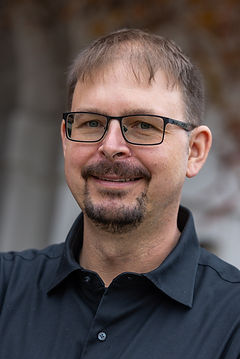
Icahn School of Medicine at Mount Sinai and Medical University of Vienna
He received his postdoctoral training in the laboratory of Dr. Peter Palese at the Icahn School of Medicine at Mount Sinai, New York working on hemagglutinin stalk-based immunity and universal influenza virus vaccines. In 2014, he became an independent principal investigator and is currently the endowed Mount Sinai Professor of Vaccinology at the Icahn School of Medicine at Mount Sinai. He is also the co-director of the Center for Vaccine Research and Pandemic Preparedness (C-VaRPP). Since 2024, Dr. Krammer is Professor for Infection Medicine at the Medical University of Vienna and since 2025 he is also the director of the Ignaz Semmelweis Institute at the Medical University of Vienna. Furthermore, since 2025, he is also the director of the Ludwig Boltzmann Institute for Science Communication and Pandemic Preparedness at the Medical University of Vienna. Dr. Krammer's work focuses on understanding the mechanisms of interactions between antibodies and viral surface glycoproteins and on translating this work into novel, broadly protective vaccines and therapeutics. The main target is influenza virus, but he is also working on coronaviruses, flaviviruses, hantaviruses, filoviruses and arenaviruses. He has published more than 500 papers on these topics. Since 2019, Dr. Krammer serves as principal investigator of the Sinai-Emory Multi-Institutional Collaborative Influenza Vaccine Innovation Center (SEM-CIVIC), which develops improved seasonal and universal influenza virus vaccines that induce long-lasting protection against drifted seasonal, zoonotic and future pandemic influenza viruses. Finally, Dr. Krammer is an elected fellow of the American Academy of Microbiology and the Henry Kunkel Society, he is on the Board of Directors of the European Scientific Working Group on Influenza (ESWI), he serves on the Austrian National Vaccination Committee and he is one of the chairs of the SAVE group which tracks SARS-CoV-2 variants for the US NIH.

William Agace
University of Copenhagen and Lund University
William Agace completed his PhD in 1996 at Lund University, Sweden. After a postdoc in Boston he returned to Lund in 1999 to establish an independent research group. He currently holds a Professorship at the Department of Immunology and Microbiology, Copenhagen University and at the Immunology Section, Lund University, Sweden. His research interests lie within the field of intestinal immunology and here his group has provided valuable insights into the mechanisms regulating T cell migration to the intestine as well as the diversity and function of intestinal dendritic cells. More recently his group has focused on characterizing immune compartments along the length of the human intestine and in understanding the role of intestinal fibroblasts in regulating immune function in health and disease. He has for many years been an active member of the Society of Mucosal Immunology (SMI), serving as both european councillor and president and as a past editor of the SMI associated journal Mucosal Immunology.
Riitta Lahesmaa

Turku Bioscience Centre and University of Turku
Riitta Lahesmaa, M.D., Ph.D. is Professor of Systems immunology and the Director of Turku Bioscience Centre, Turku, Finland (https://bioscience.fi/). She directs IMMUNOCAPS, a Research Council of Finland project in immunology at the University of Turku and her research group belongs to the InFLAMES flagship programme.
Dr. Lahesmaa's research group aims at understanding regulation of immune response and molecular mechanisms of type 1 diabetes (T1D) and other human immune mediated and inflammatory diseases. The studies have resulted in the identification of novel molecular mechanisms and new regulators of T cell functions and very early changes in immune response associated with development of T1D. She has participated to a number of EU-funded consortia and projects. She has published > 250 original papers and reviews and has several issued patents and patent applications. She is an elected member of the Finnish Academy of Science and Letters and EMBO.
Ludvig M. Sollid

University of Oslo and Oslo University Hospital
Ludvig M. Sollid is a Professor at the University of Oslo and a Senior Consultant at the Oslo University Hospital - Rikshospitalet. His research interests are focused on genetics and immunology of autoimmune diseases, particularly celiac disease and rheumatoid arthritis.
His group has made important contributions to the understanding of the molecular basis of celiac disease, in particular the role of HLA genes, the existence of gluten reactive (HLA-DQ restricted) T cells in the celiac intestinal lesion, the identification of immunotoxic gluten peptide sequences and the pathogenic involvement of the autoantigen transglutaminase 2. His group is currently working on characterizing the disease-causing interaction of antigen-specific T cells and B cells in celiac disease and on extending the understanding of the celiac disease pathogenesis to rheumatoid arthritis. Sollid has been recognized for his scientific contributions by several awards, most notably the Nordic Jahre senior and junior awards.

Niklas Björkström
Karolinska Institutet and Karolinska University Hospital
Niklas Björkström is a Professor at Center for Infectious Medicine, Karolinska Institutet and consultant physician in clinical microbiology at Karolinska University Hospital. Björkström earned his medical and doctoral degrees at Karolinska Institutet, performed postdoctoral studies at the National Institutes of Health, Bethesda, USA, and have been a principal investigator at Karolinska Institutet since 2014. Björkström is an ERC Starting Grant recipient, WAF fellow, SSF Future Research Leader and has received numerous awards for his work including the Anders Jahre Award for Young Researchers, IPSCSG Investigator Award, and the UEG Rising Star Award.
The main focus of his research is to understand the biology of human innate and unconventional lymphocytes in health and disease with a focus on the human liver and biliary tract system as well as the uterus. His research group is specialized in advanced immunological methods for analysis of rare populations of human immune cells in tissues.

Bjørn Tore Gjertsen
University of Bergen and Haukeland University Hospital
Bjørn Tore Gjertsen, MD, PhD. is Professor of Hematology from 2007 at Department of Clinical Science at the University of Bergen, working as Research Chief and Consultant Hematologist at Helse Bergen Health Trust, developing early phase clinical trials at Haukeland University Hospital. In 2016 Gjertsen was appointed co-director for Centre for Cancer Biomarkers (CCBIO) Norwegian Centre of Excellence, University of Bergen. His major research interest is development of targeted therapy and accompanying diagnostics in the aggressive blood cancer acute myeloid leukemia. His laboratory is working on intracellular signal transduction and its regulation of the tumor suppressor protein p53. Single cell signaling and immune profiling by multiplexing mass cytometry has been developed for monitoring of immuno- and signaling-directed therapy and is currently used for therapy development of various cancers and myeloid leukemias.

Fatima Dhalla
University of Oxford
Dr Fatima Dhalla is a consultant clinical immunologist and senior scientist in Developmental Immunology laboratory in the University of Oxford. Her clinical work focuses on patients with inborn errors of immunity and diagnostic laboratory immunology, and fuels research projects that set out to define the genetic causes, develop diagnostic tests and establish best treatment practices and for patients with rare and undefined inborn errors of immunity. Her primary research focus lies in thymic stromal cell biology from fundamental aspects of their development, function and maintenance to more translational studies including models of human congenital thymic defects, thymic involution, and strategies to rejuvenate or boost the function of the thymus.
Charles-Antoine Dutertre

IMRB, Université Paris-Est Créteil
Charles-Antoine Dutertre is a group leader at the IMRB (Mondor Institute for Biomedical Research, Créteil, France), where he leads a research program focused on the role of myeloid cells in cancer and tissue immunity. His work has contributed to shaping the current understanding of human mononuclear phagocyte diversity and function across tissues, particularly in the tumor microenvironment. He is also Scientific Coordinator for Single-Cell and Spatial Omics at Gustave Roussy Institute, where he drives the development and integration of cutting-edge spatial and single-cell technologies for translational cancer research.
By combining high-dimensional cytometry, single-cell and spatial transcriptomics, and computational approaches, his research has established frameworks to dissect the organization and function of complex immune ecosystems in human disease. His contributions have helped define key myeloid cell states and their roles in immune regulation.
His current work focuses on uncovering how myeloid cells orchestrate immune activation and tolerance in tissues to identify actionable mechanisms to improve immunotherapy.

Marie Wahren-Herlenius
Karolinska Institutet and University of Bergen
Marie Wahren-Herlenius is a professor of Experimental Rheumatology at Karolinska Institutet and an adjunct professor at the University of Bergen. Her research interests are in Sjögren’s syndrome, an autoimmune rheumatic disease that affects predominatly women in a 9:1 proportion. She is persuing investigations to understand why the disease associated polymorphisms, which are equally common in men and women in the general population, only confer risk of Sjögren’s syndrome when present in women. She is also a member of the Nobel Assembly.

Mariana Borsa
University of Basel
Mariana Borsa is an immunologist exploring how organelle inheritance shapes immune cell fate. Her previous work uncovered how autophagy and asymmetric cell division contribute to the formation of long-lived memory T cells. Originally from Brazil, she earned her PhD in Immunology at ETH Zurich, where she was awarded the ETH Silver Medal for her thesis on T cell fate decisions. She then pursued postdoctoral research at the University of Oxford, supported by Sir Henry Wellcome, Marie Skłodowska-Curie, and SNSF fellowships. Integrating cell biology, immunology, and metabolism, her research employs in vivo models and multi-omics approaches to dissect immune cell differentiation. In September 2025, she established her independent laboratory at the University of Basel. The lab’s research is supported by both SNSF and ERC Starting Grants. She is also a board member of the Swiss Young Immunology Society.
Summer School Speakers
Emmet McCormack, University of Bergen
Professor Emmet McCormack is a pharmaceutics researcher whose work connects drug development, cancer biology, and advanced preclinical imaging. After a double honours degree in mathematics and chemistry, he completed a PhD in Pharmacognosy at Trinity College Dublin and later shifted to molecular imaging at the University of Bergen. He founded the PreCOS group and cofounded KinN Therapeutics, underscoring his focus on translational innovation. His research spans personalized cancer models, sonoporationenhanced therapies, and cellbased immunological approaches, earning highimpact publications and national innovation awards. McCormack is also affiliated with Haukeland University Hospital and the Centre for Cancer Cell Reprogramming, advancing preclinical strategies for improved cancer treatment.
Gyri Teien Haugland, University of Bergen
Professor Gyri Teien Haugland is a molecular biologist specializing in fish immunology and mRNA vaccine development for aquaculture. At the University of Bergen’s Department of Biological Sciences, her group studies innate and adaptive immune mechanisms in fish, including optimization of mRNA vaccine design, lipid nanoparticle delivery, and dendriticlike cell characterization. She leads a number of major research projects, including Research Council of Norway-funded development of mRNA-based vaccines against viral diseases in Atlantic salmon. Her publication record covers comparative immunology, molecular biology, and host–pathogen interactions, with influential work on phagocytosis, Bcell responses, and fish immune development. Haugland received the 2016 Brainpower Award for her contributions to Norwegian research and innovation.
Rebecca Cox, University of Bergen
Professor Rebecca Cox is a medical virologist and Head of the Influenza Centre at the University of Bergen. She completed her PhD at the London Hospital Medical College and postdoctoral training at Guy’s Hospital and in Bergen. With over 25 years in influenza research, her work spans vaccine development, human immunology, and preparedness for respiratory pandemics. She has advised WHO, the Norwegian pandemic committee, the EMA, and EU bodies, and is a member of the Norwegian Academy of Science and Letters. During the COVID19 pandemic, she led the Bergen COVID19 Research Group, studying infection dynamics, immune responses, and longterm complications. She also serves as deputy chair and senior editor for Influenza and Other Respiratory Viruses.
Victor Greiff, University of Oslo
Professor Victor Greiff is a computational immunologist at the University of Oslo, focusing on highthroughput immunerepertoire sequencing and machine learning to advance diagnostics, therapeutics, and vaccine design. Originally from Germany, he earned his PhD in Systems Immunology in 2012 and completed a postdoctoral fellowship at ETH Zürich before joining UiO in 2018. His group develops computational frameworks for understanding antibody–antigen interactions and adaptive immune diversity. In 2023, he received an ERC Consolidator Grant to investigate the principles governing antibody binding. Greiff also contributes to international computational immunology efforts, including serving as Chair of the AIRR Community, and works at the interface of AI and immunology to improve immunebased therapies.
Marit Inngjerdingen, University of Oslo
Professor Marit Inngjerdingen holds a PhD in immunology, and heads the research group “Innate lymphocytes and cancer” at Dept. of Pharmacology, Institute of Clinical Medicine, University of Oslo. Her group is focused on understanding how NK cells utilize extracellular vesicles to target and kill cancer cells. She runs both projects related to basic mechanisms and understanding of extracellular vesicles in NK cell biology, as well as innovation and commercialization projects to bring NK-cell derived extracellular vesicles to the clinic. She is currently Secretary of the Scandinavian Society of Immunology and president of the Norwegian Society for Extracellular Vesicles. She has initiated and led several large national and international research projects. She is founder of the company Cellmover AS, which develops nanobodies for immunotherapeutic applications.
Sonia Gavasso, University of Bergen
Sonia Gavasso is a Senior Researcher at the Department of Clinical Medicine, University of Bergen, and Neuro-SysMed at Haukeland University Hospital. Her research focuses on systems immunology and translational neuroimmunology, with a particular emphasis on understanding how the immune system is reprogrammed during multiple sclerosis and in response to immunotherapy. She established high-dimensional mass cytometry (CyTOF) for clinical immune monitoring at the University of Bergen and leads immunophenotyping in several national and international clinical studies, integrating single-cell technologies with clinical and multi-omics data to identify biomarkers of treatment response and mechanisms of immune reconstitution. Her research aims to translate complex immune data into precision medicine approaches for neuroinflammatory diseases.
bottom of page